
Protecting Wyoming Children from Sexualization in Education
Congresswoman Harriet Hageman and Superintendent Megan Degenfelder on a years-long, Wyoming-led effort to keep explicit materials out of our schools and libraries.
Wyoming Family Alliance is honored to have Congresswoman Hageman and Superintendent Degenfelder choose our newsletter to publish a report on the years-long effort (which Wyoming Family Alliance has been at the forefront of) to remove sexualized materials from schools and public libraries.
We've been honored to stand with Superintendent Degenfelder on this issue for years, including our 2024 conversation on protecting Wyoming kids in school libraries: Click here to watch.
A Common-Sense Bill, Unexpected Opposition
Protecting children's innocence and futures are at the top of our agenda as Wyoming's at-large member of the U.S. House of Representatives and Superintendent of Public Instruction. But when we supported the Stop the Sexualization of Children Act, which Harriet cosponsored in the House, we never expected opposition to come from our own state of Wyoming—particularly from schools and libraries, all of whom should have the best interests of children at heart. This bill would amend the Elementary and Secondary Education Act of 1965 to prohibit the use of federal funds for programs or activities that promote sexually oriented material, while explicitly preserving instruction in science, classic literature, art, and world religions. Who could have imagined that protecting children from egregious sexual content would be controversial, but here we are.
Opponents of the Stop the Sexualization of Children Act, such as the Teton County Library Board, claim it amounts to a "nationwide book ban." They portray the legislation as "pro-censorship," arguing that it infringes on state and local authority by dictating what schools and libraries can display for children, strongly implying that these entities should have the freedom to provide porn to kids.
“Protecting children from age-inappropriate sexual content is not censorship—it is common sense.”
The "Book Ban" Myth
The bill does not ban books. Rather, it ensures that federal taxpayer dollars are not used to promote material many parents consider inappropriate for minors. Taxpayers—especially those who object to such content being made available in schools and libraries—should not be compelled to subsidize an agenda with which they fundamentally disagree. What critics fail to acknowledge is the harm of exposing children to sexually explicit material under the guise of education.
This Isn't About Books — It's About Explicit Content
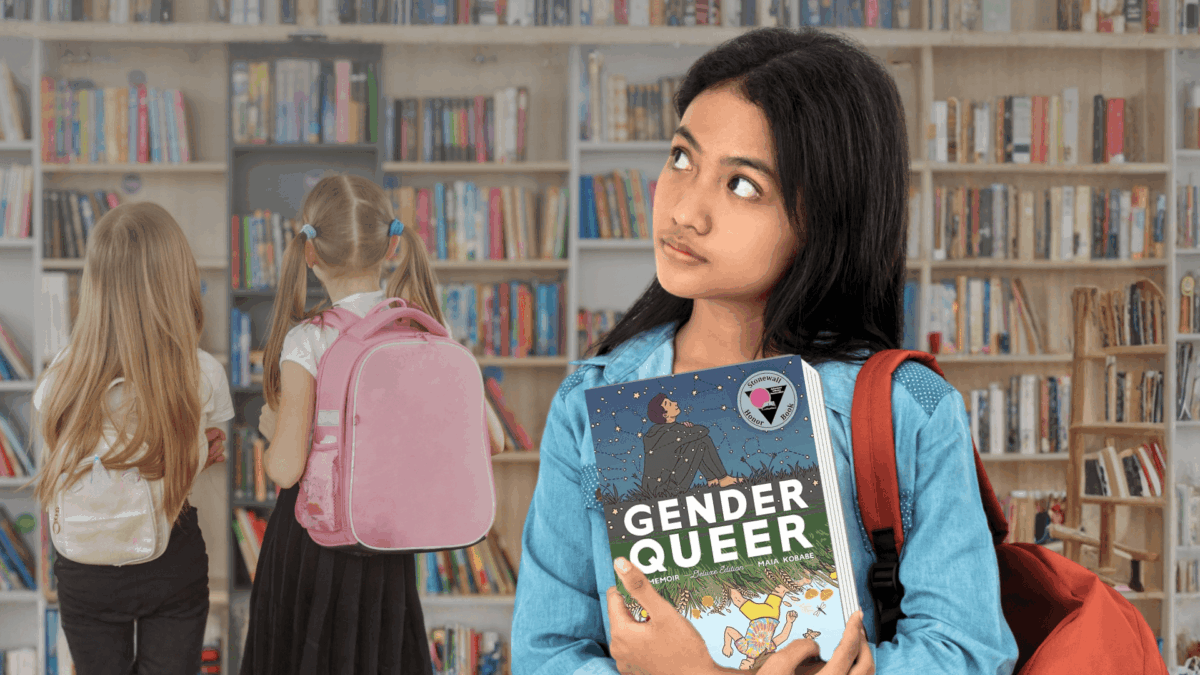
School library books such as Gender Queer, Lawn Boy, and All Boys Aren't Blue contain material so obscene that the officials promoting these materials have consistently censored concerned parents from reading passages aloud in school board meetings and on television. Yet some insist these same materials belong on the shelves of school libraries accessible to our children. The problem extends beyond books. New York City spent more than $200,000 in taxpayer dollars to fund drag performances in schools; a North Carolina school permitted a performer to straddle teenage girls during a school event; and a California high school faced allegations from parents that a student performance included provocative dancing and simulated stripping.
The Biden-Harris administration supported policies that advanced the sexualization of children through federal funding streams and guidance. We are committed to working with President Trump to ensure this nonsense comes to an end and cannot be replicated by a future Democratic administration. That is why both of us have shared stories in Washington about a Wyoming mother who discovered a book depicting graphic sexual acts in her child's school library. When her daughter and other students objected to the book, the teacher effectively shifted the blame onto the children.
Yes, It's Happening in Wyoming
If you are surprised this is happening in Wyoming, you should not be. This is exactly the kind of conduct the Teton County Library Board is defending and what the Stop the Sexualization of Children Act seeks to stop. We are also encouraged that similar legislation has been introduced at the state level in Wyoming, reflecting growing recognition among lawmakers that these efforts to sexualize our kids must be stopped.
This bill is simpler than its opponents suggest. It is not about dictating what local educators can or cannot do. Rather, it is about ensuring that taxpayer dollars are used responsibly while maintaining clear, consistent standards to guide local decision-making. Educators should absolutely have a voice in these decisions, but parents should as well.
Respecting Teachers, Empowering Parents
We also want to be clear that we do not believe all educators support the promotion of such content. Teachers play a vital and deeply respected role in our communities, and their work is both necessary and appreciated.
Common Sense, Not Censorship
Protecting children from age-inappropriate sexual content is not censorship—it is common sense. Parents have a fundamental right to know what their children are being exposed to in schools and to have a voice in those decisions. Fortunately, President Trump is working with us to protect children and defend parents' rights. We believe the Stop the Sexualization of Children Act is a step in the right direction, helping ensure that taxpayer dollars support education rather than the promotion of objectionable material.
Parents Deserve to Know: On the National Stage, Too
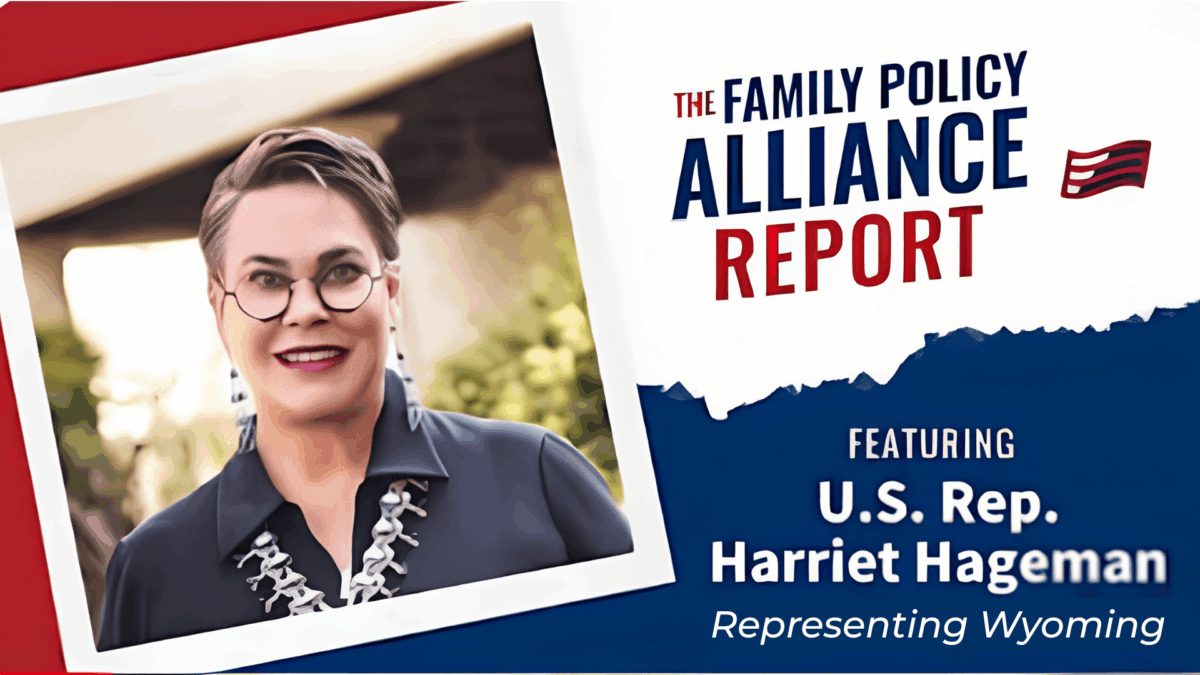
Last week, our national ally Family Policy Alliance interviewed our own Congresswoman Harriet Hageman about her resolution urging greater transparency in children's content ratings, so parents know what their kids are watching. It's encouraging to see Wyoming families' concerns carried onto the national stage.
In the conversation, Rep. Hageman makes the case that parents, not bureaucrats, should have the final say in what reaches their children, and that transparency is the first step. It's the same principle at the heart of the article above, carried into the national conversation.