
America at 250
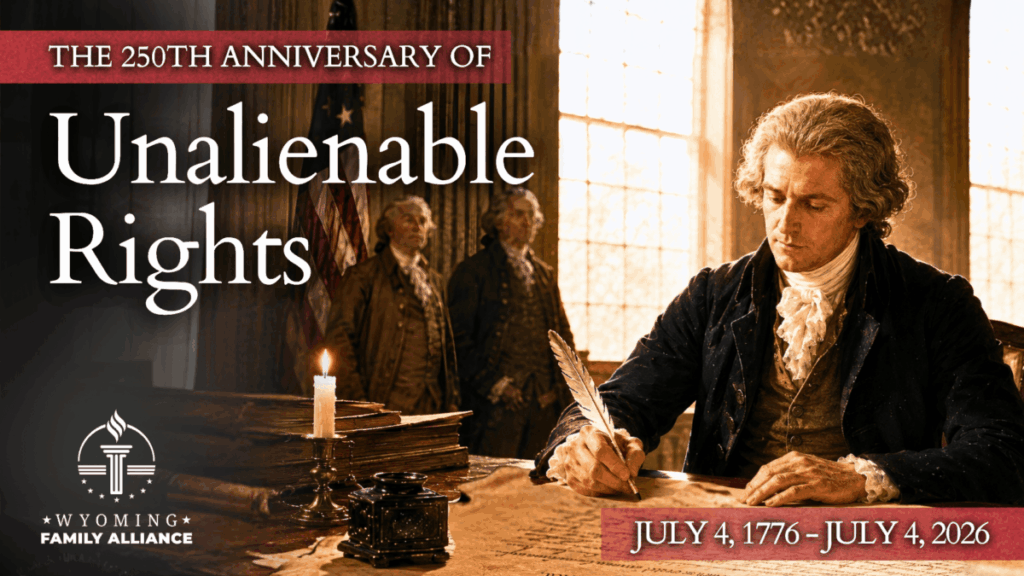
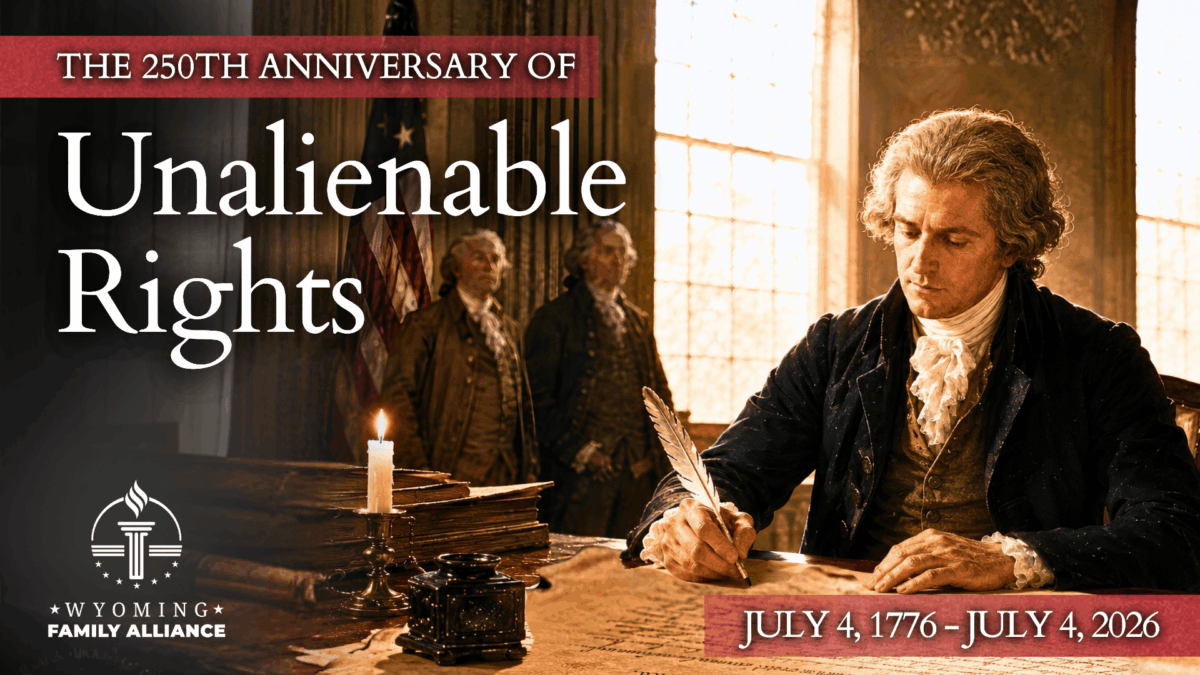
The 250th Anniversary of Unalienable Rights
Two hundred fifty years ago, something happened that changed the course of human history.
On July 4, 1776, fifty-six men committed themselves to a document that declared to the world that “all men are created equal” and “are endowed by their Creator with certain unalienable Rights.”
Today, those words are so familiar that we can easily forget how astonishing they sounded to the rest of the world. But in 1776, liberty was not the default assumption of civilization. It was the exception.
Across Europe, kings ruled by inherited authority. Governments exercised power from the top down. Religious conformity was often enforced by the state. Dissent was viewed with suspicion, if not outright persecution. Most people understood rights as privileges granted by rulers rather than permanent gifts belonging to every human being. The common man existed largely to serve the interests of those above him.
The American colonies inherited a radically different understanding of government. But that understanding did not suddenly appear in Philadelphia during the summer of 1776. It had been forged through generations of struggle.
The English Roots of American Liberty
Nearly a century before the Declaration of Independence, England experienced its own constitutional crisis. The Stuart kings increasingly claimed sweeping authority. Parliament resisted. Religious conflict intensified. Many Englishmen feared that ancient liberties, hard-won over centuries, were disappearing beneath the weight of centralized power. Those tensions eventually culminated in the Glorious Revolution of 1688, one of the most significant turning points in the history of constitutional government. The following year, Parliament adopted the English Bill of Rights.
Most Americans have never read the English Bill of Rights. That’s unfortunate because the Founders almost certainly had. It declared that the monarch could not simply suspend laws at will. It rejected arbitrary government. It strengthened due process. It reinforced representative government. Most importantly, it established that even the sovereign was subject to law.
That may not sound revolutionary today. It was then. The American colonists inherited these constitutional principles. But they refused to stop there. They asked a deeper question. Why should governments be limited at all? Their answer changed the world.
If rights are endowed by God, then government exists for an altogether different purpose: not to manufacture liberty but to protect it.
The Answer That Changed the World
Government is not the source of our rights because government did not create us. Our rights come from our Creator. That single sentence in the Declaration of Independence, “endowed by their Creator with certain unalienable Rights,” was not a rhetorical flourish. It was the foundation of the entire American experiment.
If rights are gifts from kings, kings can revoke them. If rights come from legislatures, legislatures can redefine them. If rights come from judges, judges can reinterpret them. But if rights are endowed by God, then government exists for an altogether different purpose: not to manufacture liberty but to protect it.
That conviction did not emerge from nowhere. It grew out of centuries of religious conflict in England. Christians who endured persecution understood from painful experience that civil authorities make terrible gods. The long struggle for religious liberty taught generations that conscience belongs to God before it belongs to Caesar. By the time the Declaration was written, those lessons had matured into one of history’s boldest political claims. The state is not supreme. God is. That simple proposition reshaped the modern world.
The existence of hypocrisy does not invalidate the standard. If anything, it proves why the standard matters.
Of course, America has never perfectly lived up to these ideals. Neither have any of us perfectly lived up to our own principles. The existence of hypocrisy does not invalidate the standard. If anything, it proves why the standard matters.
America corrected many of its greatest failures by appealing back to the truths announced in 1776, not by abandoning them. That is worth remembering as we celebrate 250 years of our republic.
The Question Facing Every Generation
Our greatest danger today is not that we have forgotten a few historical facts. It is that we have forgotten the source of the ideas themselves. The question facing every generation is the same one that confronted the Founders. Are our rights permanent because they come from God? Or are they temporary because they come from government? How we answer that question will determine far more than how we remember the past. It will determine what kind of country we leave to our children. ■